Acne Treatment

What is Acne?

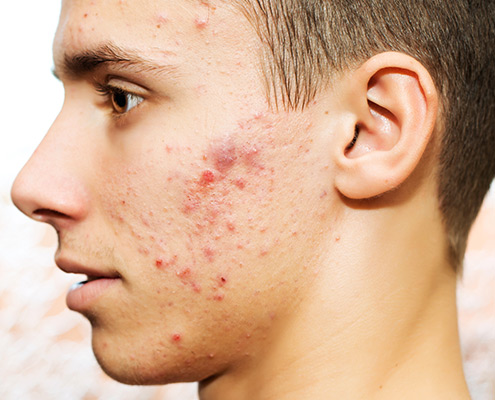
Acne is a common condition affecting predominantly young people (but not exclusively). It ranges in severity from a relatively minor problem to severe types that can cause acne scars. Even if your acne is just a few pimples and blackheads, all forms of acne can be distressing, both physically and emotionally.

These days there is good treatment for acne and one does not have to put up with ongoing acne – we can help!

What causes Acne?

There are multiple causes for acne. These are mainly genetic and hormonal in nature. However, local and dietary factors can be relevant. It is important to recognise what these factors are as it may affect the different forms of treatment that can be used. Our dermatologists can help you with this.
Acne Treatment Options

Good acne treatment is available and it should be able to be controlled.

Topical Treatment

A good local facial regime is essential. This includes using good skin cleansers, avoiding products on the face that may aggravate acne, and using appropriate facial products.

Prescription topical treatments available are suitable for milder forms of acne. These include benzyl peroxide type products, topical antibiotics and topical retinoids. Our dermatologists can assess which is the best to use on your skin.

Light Treatment

Blue light and red light treatment is of some value for more sever forms of acne and can be very effective in milder forms of papular pustular acne.

Acne medication

Oral treatment with acne medication is indicated for more severe forms of acne, including more inflammatory acne and cystic acne.

  • Antibiotics – The most common form of treatment for mild papular pustular acne. Antibiotics for acne is best used for a period up to three to six months to obtain control of the acne. It works best when combined with a topical therapy. It is not designed for long term treatment. There are different types of antibiotics for acne and the one that is most appropriate can be discussed with you.
  • Hormonal Treatment – Hormonal treatment can help correct any underlying hormone abnormality causing hormonal acne. Common forms of treatment include using certain oestrogen based oral contraceptive pill. Some contraceptive products containing progesterone can aggravate the hormonal acne so it is important to get specialist advice to ensure that the correct treatment is used. Spironolactone is another hormonal based treatment which is useful, particularly in acne occurring in people in their 20’s and 30’s. It is very effective in low doses and safe.
  • Retinoids – Retinoids are Vitamin A derivatives designed for use in acne that is severe, cystic in nature and causing scarring. It is also indicated for forms of acne that have not responded to the above milder treatments. The response rates to retinoids are very good and there is a significant chance of getting a longer term clearance. These medications, however, are strong and do have a number of side effects. There is also some controversy with these medications – the two main ones being the issues of depression and pregnancy. It is important when considering these medications to have a long discussion with your dermatologist to see if it is suitable for you.

Acne is a treatable condition – with specialist dermatologist assistance no-one should suffer acne or develop scarring. At Wellington Dermatology we are experts in all treatments for acne and are happy to assist you.